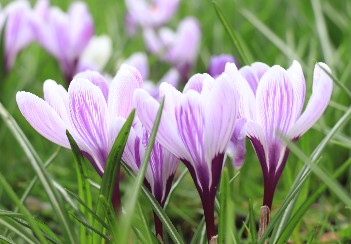






February Gardening Tips 2022
So it is February already and, little by little, the daylight hours are extending – hurrah!
It may be mid-winter but there has already been quite a lot of activity in our garden, helped by some dry weather. Here are some of the things we have been getting on with and will complete in February.
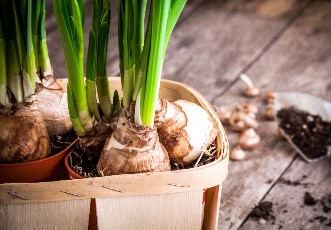
Our borders and the veg patch are looking much tidier, the soil has been forked over and lots of lovely homemade compost incorporated. Some well-rotted manure will do just as well. Use boards if you need to do much work that involves standing on wet soil or grass to minimise soil compaction.

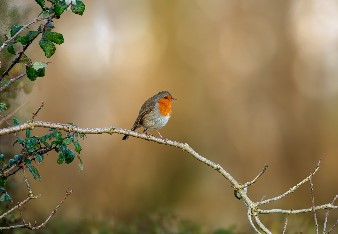
Our deciduous hedges have also benefited from a pretty hearty trim before nesting season begins. To protect our feathered friends in these cold months, and add immensely to your own enjoyment of the garden, keep bird feeders full and a source of clean water available.
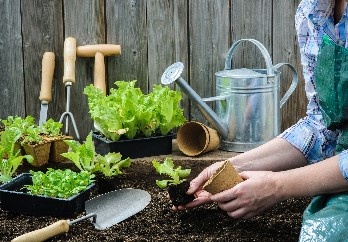
Now is also the time to clean out heated and unheated propagators and any pots and trays you intend to re-use. This is so important to prevent the spread of pests and disease, particularly damping off which can affect seedlings. It will soon be time to choose and sow some seed which is always exciting. Again, to avoid damping off, always use fresh compost, don’t sow the seeds too close if you can help it and don’t keep them in a propagator for too long. Give your tools a good clean too. Get your mower serviced and cutting tools sharpened, although finding someone to do this is not always easy – do let me know if you have any tips.
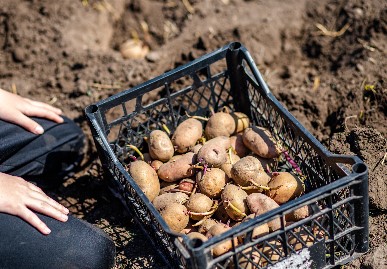
If you have not done so already, chit seed potatoes in advance of planting later in the spring. This means placing them in a light, cool place with the eyes to the top and allowing them to chit or sprout until the shoots are about 2cm. As I have mentioned before, always use seed potatoes which have been specially grown and are certified disease-free rather than using some old spuds from the vegetable rack.
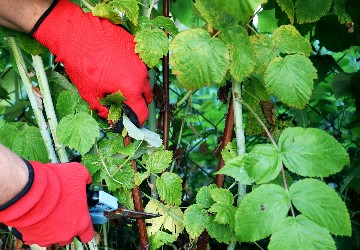
Autumn fruiting raspberries are in need of a chop back to a few inches above the soil and a mulch. It is also a good time to plant new raspberry canes.
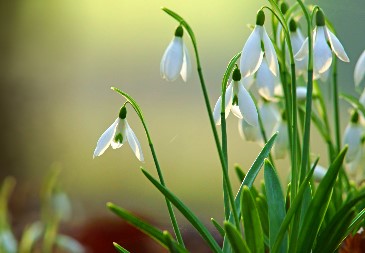
Divide clumps of snowdrops that have already flowered while they are still in the green. This is the best way to reliably increase your stock of these delightful flowers.
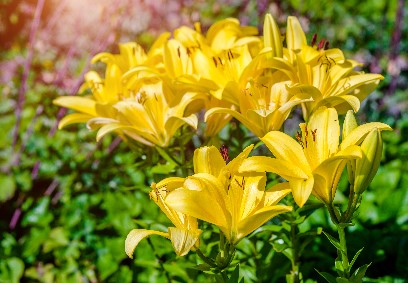
Lots of tempting summer flowering bulbs are now appearing in our garden centres, they promise so much colour and scent. I am always tempted by a few more Gladioli or Lilies or Dahlias.
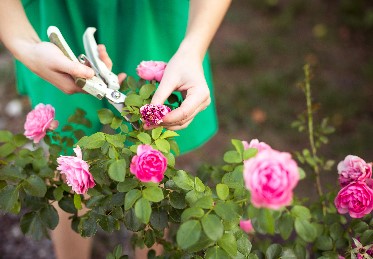
You can prune your roses in later February and early March. For all roses, take out dead and any diseased wood. For shrub roses, cut stems back by a third to a half. For Floribundas and Hybrid Teas, take them down to no more than 30cm above the soil (yes I know it seems quite brutal). For climbing roses take the shoots that flowered last year down to about 15 cm. Rambling roses need no attention unless you are trying to manage their shape or growth. Mulch around your roses in March with some well-rotted manure and feed in April. I promise this simple regime is well worth it and you will be paid handsomely in beautiful blooms.
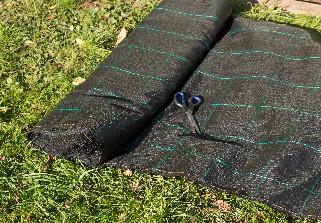
I am in danger of getting ahead of myself. After all it is still winter so, especially where plants have woken up during a warm spell and produced soft new growth, do make good use of some horticultural fleece and tuck them up cosily if it looks like being particularly cold at night.
On that thought I wish you a lovely month and when I next write we shall be looking forward to the real onset of spring.